
Types of Coffee Beans: How to Choose the Right Coffee

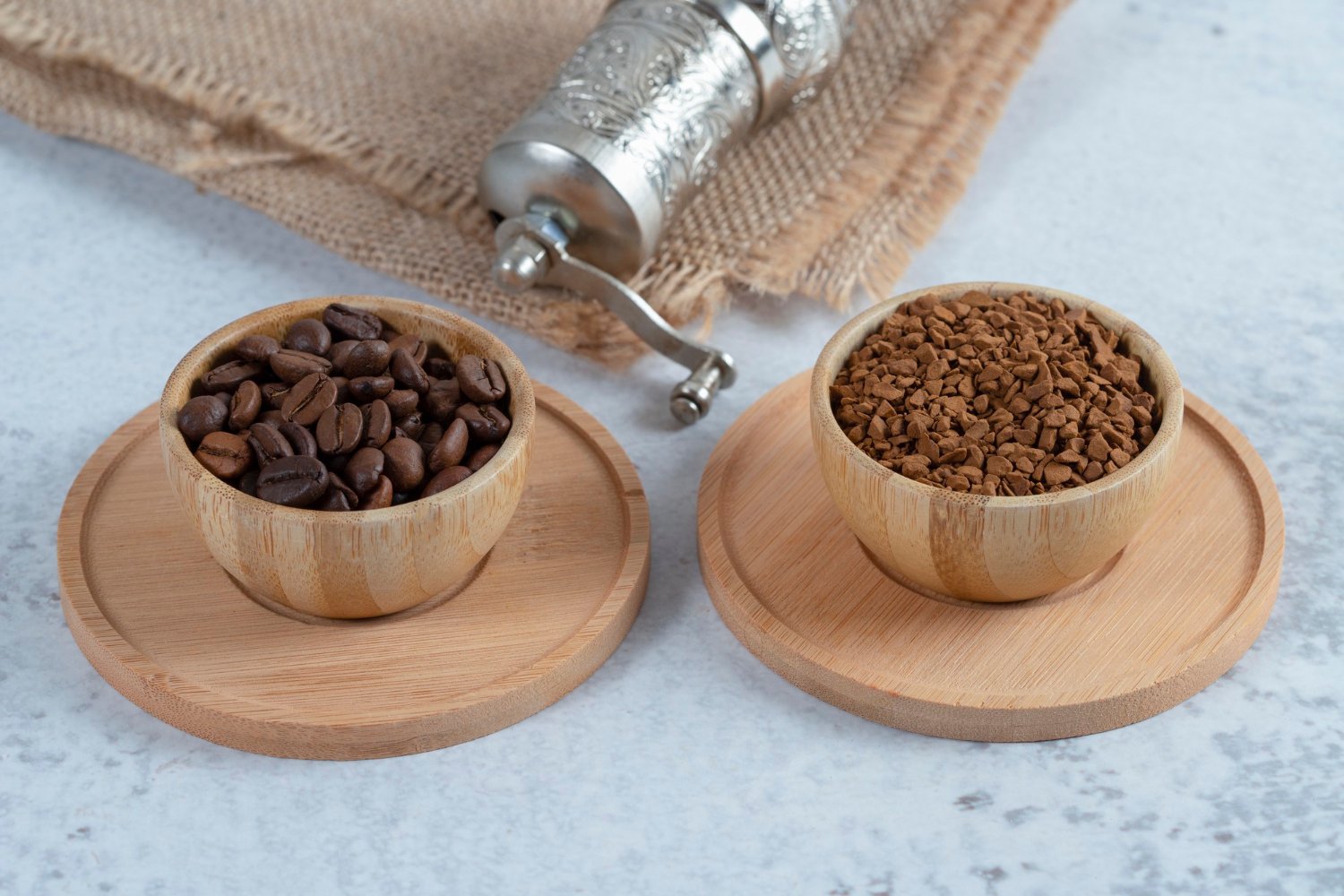
Coffee is one of the most widely consumed beverages in the world, enjoyed for its taste, aroma, and ability to energize daily life. Over time, coffee culture has grown rapidly, driven by specialty cafés, roasteries, and increasingly knowledgeable coffee consumers. While many people rely on coffee to start their day, fewer truly understand what influences coffee flavor and how to choose the right type of coffee bean.
As a leading coffee bean supplier in Malaysia, Scofi plays an important role in supplying a wide range of raw coffee beans while also educating buyers on how to select coffee that best suits their preferences and applications. Coffee is valued not only for its health benefits but also for its cultural significance and sensory experience, which is why cafés and coffee businesses continue to expand globally.
What Makes Coffee Taste Good?
Coffee flavor is shaped by multiple factors, including bean variety, origin, processing method, roast level, and freshness. High-quality unroasted coffee beans are typically identified by a clean aroma, balanced flavor, and natural sweetness. Bitterness should be pleasant rather than harsh or sour, and the coffee should feel smooth and well-rounded on the palate.
Understanding these characteristics helps both casual drinkers and professional buyers recognize quality when choosing coffee beans.
Main Types of Raw Coffee Beans in Malaysia
There are three primary types of raw coffee beans commonly found in Malaysia: Arabica beans, Robusta beans, and Liberica beans. Each variety has its own characteristics, uses, and target audience.
Arabica Coffee Beans
Arabica beans are the most popular and widely consumed coffee variety in the world. They are typically grown in countries along the Coffee Belt, including Brazil, Ethiopia, Colombia, Indonesia, and other high-altitude regions. Arabica beans are known for their smooth flavor, higher acidity, and complex taste profiles that may include fruity, floral, or sweet notes.
Many coffee enthusiasts prefer Arabica beans because they are generally less bitter and more refined in taste. Single-origin Arabica coffees, in particular, are often regarded as premium due to their traceability and ability to express the unique characteristics of their growing region.
Robusta Coffee Beans
Robusta beans are widely used in commercial coffee production due to their strong flavor, higher caffeine content, and cost efficiency. They are commonly found in coffee blends and are a key ingredient in instant coffee and 3-in-1 coffee products.
Robusta beans have a bolder, more bitter taste compared to Arabica and provide a heavier body and stronger crema, making them popular in espresso blends and traditional coffee styles. While they may be less complex when consumed on their own, Robusta beans play an important role in balancing flavor, strength, and affordability.
Liberica Coffee Beans
Liberica beans are the rarest type of coffee bean in Malaysia and are produced in limited quantities. They are known for their distinctive aroma, often described as floral or fruity, combined with a full-bodied and woody taste when brewed.
Liberica coffee offers a unique drinking experience that appeals to niche markets and adventurous coffee drinkers. Due to their rarity and distinct flavor profile, Liberica beans are often sought after by specialty cafés and local coffee producers.
Single-Origin Coffee vs Coffee Blends
When choosing coffee beans, one important consideration is whether to select single-origin coffee or blended coffee. Single-origin coffee beans come from one specific region or farm and allow drinkers to experience the full character of that origin. They are ideal for those who want to appreciate purity, terroir, and unique flavor notes.
Coffee blends, on the other hand, combine beans from multiple origins to achieve balance, consistency, and reliability. Blends are commonly used in cafés and commercial settings where consistent taste is essential.
Choosing Coffee Based on Roast Level
Roast level also plays a major role in determining coffee flavor. Medium roasts, such as House Blend, Breakfast Roast, or American Roast, tend to have balanced acidity with caramel or toasty notes. Dark roasts, including French, Italian, or New Orleans roasts, offer smoky, bold flavors with reduced acidity and stronger bitterness, appealing to those who prefer intensity.
Understanding Caffeine Content in Coffee Beans
Contrary to popular belief, darker roasted coffee does not always contain more caffeine. In fact, lightly roasted coffee beans often retain slightly higher caffeine levels. During the roasting process, dark roasts expand and lose moisture, reducing density and affecting caffeine concentration by volume.
For consumers sensitive to caffeine, understanding this difference can help in choosing the right coffee.
Choosing the Right Coffee Beans
With so many types of raw coffee beans available, having a basic understanding of coffee varieties helps both casual drinkers and professionals make informed decisions. Whether selecting Arabica for flavor complexity, Robusta for strength and cost efficiency, or Liberica for uniqueness, the right choice depends on taste preference, brewing method, and intended use.
Supplying Quality Raw Coffee Beans in Malaysia
At Scofi, we are committed to supplying high-quality raw coffee beans in Malaysia, including Arabica, Robusta, and Liberica beans. Our goal is to provide consistent quality, freshness, and variety so businesses and consumers can enjoy the full aroma, flavor, and character of coffee.
By offering a wide selection of unroasted coffee beans, we help cafés, roasteries, and manufacturers choose the right coffee for their needs and deliver better coffee experiences to their customers.