
Exploring Arabica and Robusta Coffee Beans: Taste, Tradition, and Sustainable Brewing

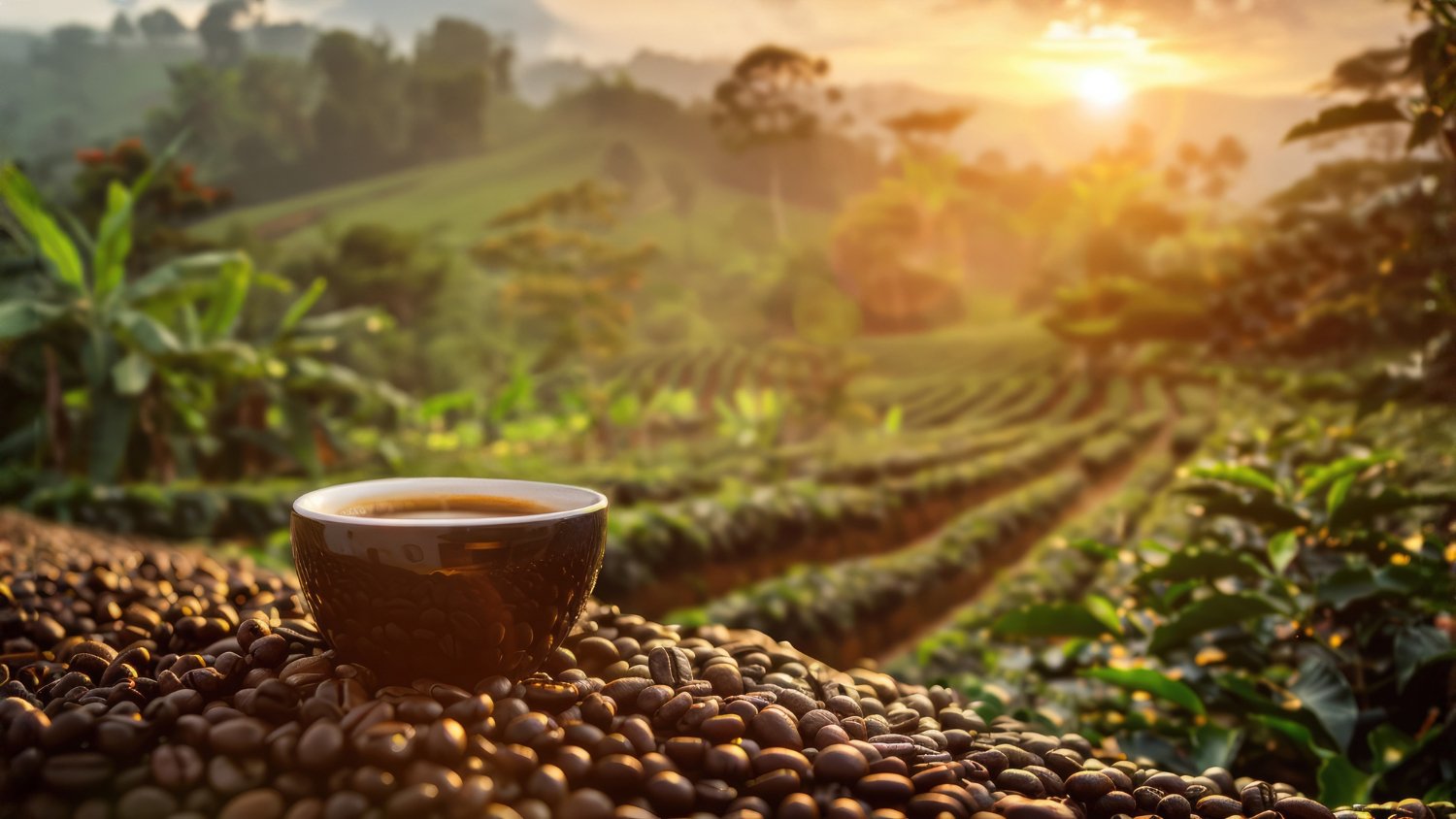
Coffee is celebrated worldwide for its rich aroma, comforting warmth, and energizing flavor. Beyond being a daily beverage, coffee has become a cultural experience that connects people across regions and generations. At the heart of this global passion are two primary coffee bean species: Arabica coffee beans and Robusta coffee beans. Each brings its own characteristics, flavors, and uses, shaping how coffee is grown, brewed, and enjoyed.
Understanding the differences between Arabica and Robusta helps coffee lovers, cafés, and manufacturers choose the right beans for their preferences and applications.
Robusta Coffee Beans: Bold, Resilient, and Powerful
Robusta coffee beans (Coffea canephora) are often underestimated, yet they play a vital role in the global coffee industry. Grown mainly in lower-altitude regions, Robusta plants are hardy and thrive in environments where Arabica struggles. Major producers include Vietnam, Brazil, and Indonesia.
Robusta beans are known for their strong, earthy flavor, higher bitterness, and heavier body. Their caffeine content is nearly double that of Arabica, which contributes to a bold, intense cup and makes Robusta a popular choice for espresso blends. The higher caffeine also enhances crema production, a key feature in espresso-based beverages.
From a sustainability perspective, Robusta plants are naturally more resistant to pests and diseases. This resilience reduces reliance on pesticides and lowers production costs, resulting in a more stable and environmentally adaptable supply chain. These qualities also make Robusta beans ideal for instant coffee production, as they maintain flavor and aroma through industrial processing.
Arabica Coffee Beans: Complexity, Quality, and Craft
Arabica coffee beans (Coffea arabica) are widely regarded as the benchmark of quality in the coffee world. They are typically grown at higher altitudes in cooler climates, with countries such as Ethiopia, Colombia, Kenya, and Brazil producing some of the finest Arabica coffees.
What sets Arabica beans apart is their complex flavor profile. Arabica coffee often features fruity acidity, floral aromas, nutty undertones, and chocolate-like sweetness. These nuanced flavors are influenced by altitude, climate, soil, and careful processing methods.
Arabica beans are commonly used in brewing methods that highlight subtle characteristics, such as pour-over, French press, and single-origin espresso. With lower caffeine content and smoother taste compared to Robusta, Arabica coffee is often preferred by those seeking a refined and balanced cup, including individuals sensitive to acidity.
Key Benefits of Robusta Coffee Beans
Robusta coffee offers several advantages that make it indispensable in commercial and industrial coffee applications. Its resilience contributes to more sustainable farming practices, as the plants require fewer chemical interventions. The higher caffeine content delivers a strong, energizing effect that appeals to consumers who enjoy bold coffee. Additionally, Robusta’s affordability and high yield make it accessible to a wide market, supporting economic sustainability across the coffee supply chain.
Key Benefits of Arabica Coffee Beans
Arabica beans are prized for their quality and complexity, making them central to the specialty coffee market. Their diverse flavor range appeals to discerning coffee drinkers who seek unique taste experiences. Arabica coffee also delivers a smoother cup with lower perceived bitterness, enhancing drinkability. Due to the craftsmanship involved in cultivation and processing, Arabica beans hold a premium position in cafés and specialty roasteries worldwide.
How Robusta Coffee Beans Are Commonly Used
Robusta beans are widely used in espresso blends and dark roasts, where their boldness provides structure and strength. The higher caffeine content makes Robusta-based espresso popular for quick energy boosts. Robusta beans are also the preferred choice for instant coffee and 3-in-1 products, as they retain flavor stability during processing and storage.
How Arabica Coffee Beans Are Best Enjoyed
Arabica beans excel in specialty brewing methods that showcase their origin and flavor complexity. Pour-over brewing enhances fruity and floral notes, while French press highlights body and richness. Single-origin espresso made from Arabica beans offers insight into terroir, processing, and roasting craftsmanship, providing a sensory experience valued by coffee enthusiasts.
Conclusion: Choosing Between Arabica and Robusta
Arabica and Robusta coffee beans each offer distinct qualities that cater to different tastes, applications, and markets. Robusta delivers strength, resilience, and efficiency, while Arabica offers refinement, complexity, and premium appeal. Rather than competing, these two coffee bean varieties complement each other and together form the foundation of global coffee culture.
Whether you enjoy the bold intensity of Robusta or the nuanced elegance of Arabica, exploring different brewing methods and origins can elevate your coffee experience. Embracing both varieties allows coffee lovers and professionals alike to appreciate the diversity, sustainability, and craftsmanship behind every cup.